

Did Benedict XVI Validly Resign? The Anatomy of a Renunciation, Part II
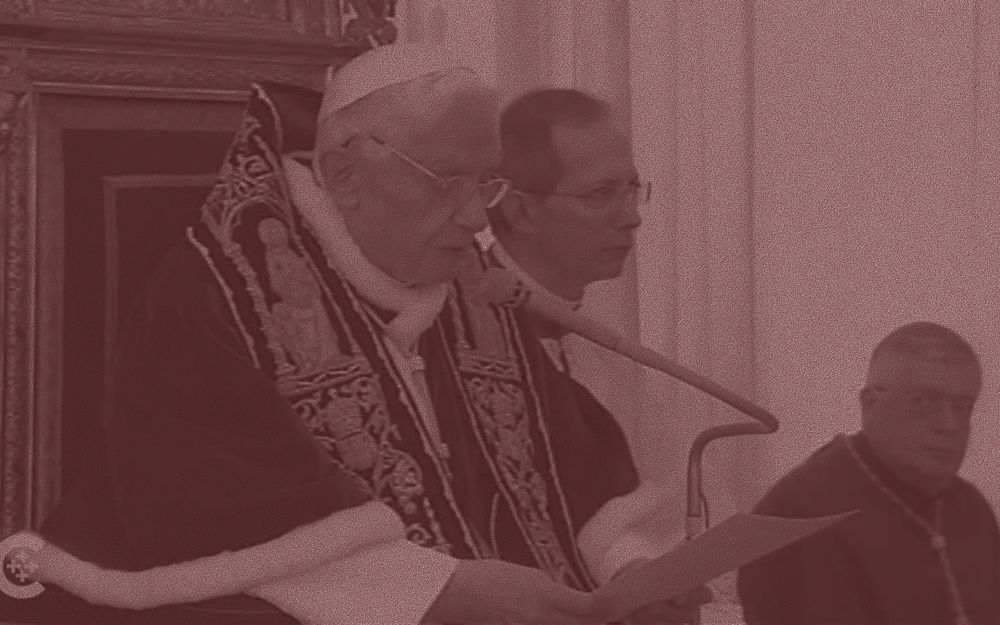
Eight objections to the claim that Benedict XVI’s resignation was invalid, each stated and answered from the law of the Church and from his own words.
Because silence in the face of error is not an option.
About Refuting Babylon
Upon the rivers of Babylon, there we sat and wept: when we remembered Sion.
Refuting Babylon engages the questions, ideologies, and cultural forces shaping secular society and evaluates them through the perennial wisdom of Catholic teaching. The mission of the Church is not merely to survive the exile. She is called to boldly witness and proclaim the Gospel within it.
Why this site exists
Arius had captured the bishops. The iconoclasts had the emperor. Now, the Modernists have the seminaries. In every age, the Catholic faith has suffered scandals, heresies and persecutions of all kinds. And She has endured precisely because the Church does not depend on the men who happen to be running her.
Eight objections to the claim that Benedict XVI’s resignation was invalid, each stated and answered from the law of the Church and from his own words.
More to read
Benedict XVI believed he could lay down the governance of the papacy while sustaining an indelible link to the Petrine Office, and the Church’s law says a resignation made in such substantial error is invalid by the law itself.
Before asking whether Benedict XVI validly resigned, we must ask whether a Catholic may ask such a question at all. The Church’s law, her theologians, and her history answer: yes, within limits.
A reflection on The Confessions Book X, Chapters 15–17
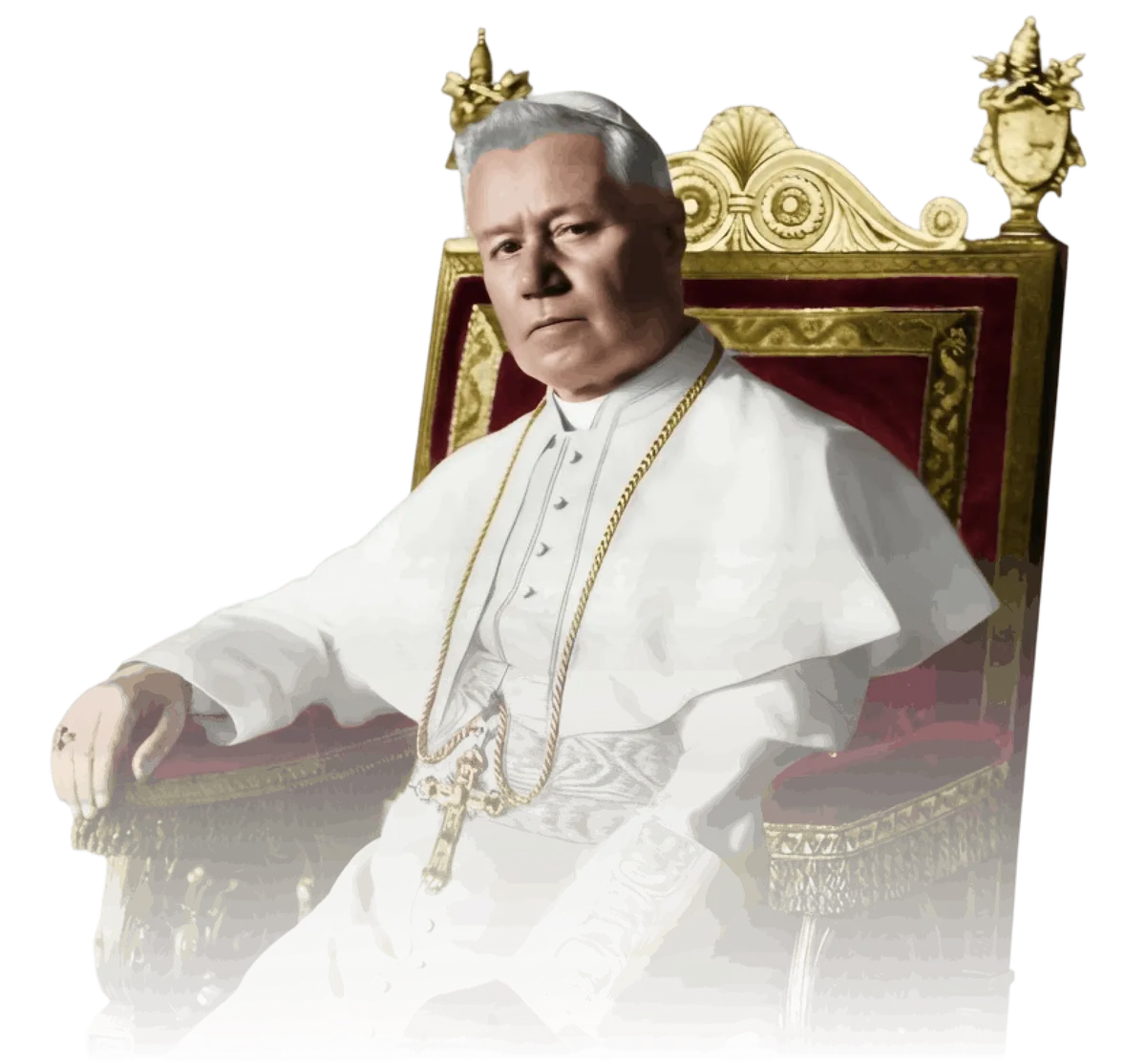
He named Modernism the synthesis of all heresies and defended the faith against error rising from inside the Church.
The questions may be new. The answers are not.